The Myth of “Bad Unity Graphics”: Why the Engine Isn’t the Problem—People Are
There’s a long-standing misconception in the game development world: that Unity produces bad graphics.
You see it all the time in social media comments, forums, and game reviews—people casually throwing around the idea that “Unity games look bad by default.” But this assumption actually has very little to do with Unity’s technical capabilities. The truth behind this stigma is much simpler… and much more human.
So Why Does This Misconception Exist?
1. Unity Is Used by Everyone, Literally
Unity is one of the most widely-used game engines on the planet. From hobbyists to students, solo indies to mobile studios, you’ll find millions of people building all kinds of projects with it.
But having such a massive user base comes with a side effect:
Countless low-quality, low-budget, beginner-made games are created in Unity.
And what did all of those games have in common?
The mandatory “Made with Unity” splash screen.
So a new player downloads a poorly made mobile game, opens it, sees the “Made with Unity” logo, and instantly associates the bad experience with the engine itself.
Over time, this equation burned itself into people’s minds:
“Made with Unity = Low quality visuals.”
Unreal Engine, meanwhile, rarely had forced branding—so the rough beginner projects never got tied to the Unreal name in the public’s eye.
2. Unity 6 Removes the Splash Screen for Free
A major step forward: In Unity 6, removing the “Made with Unity” screen is now completely free.
This alone will help protect Unity’s image, because low-quality beginner projects will no longer advertise themselves as “Unity games” immediately on launch.
Is Unity Actually Weak in Graphics?
Short answer: Nope. Not at all.
With the evolution of URP and HDRP, Unity has become extremely capable in:
advanced lighting and shading
post-processing
photorealistic rendering
custom pipelines
cinematic visuals
film-grade effects
In fact, HDRP has long been recognized as Unity’s answer to Unreal Engine-level visuals.
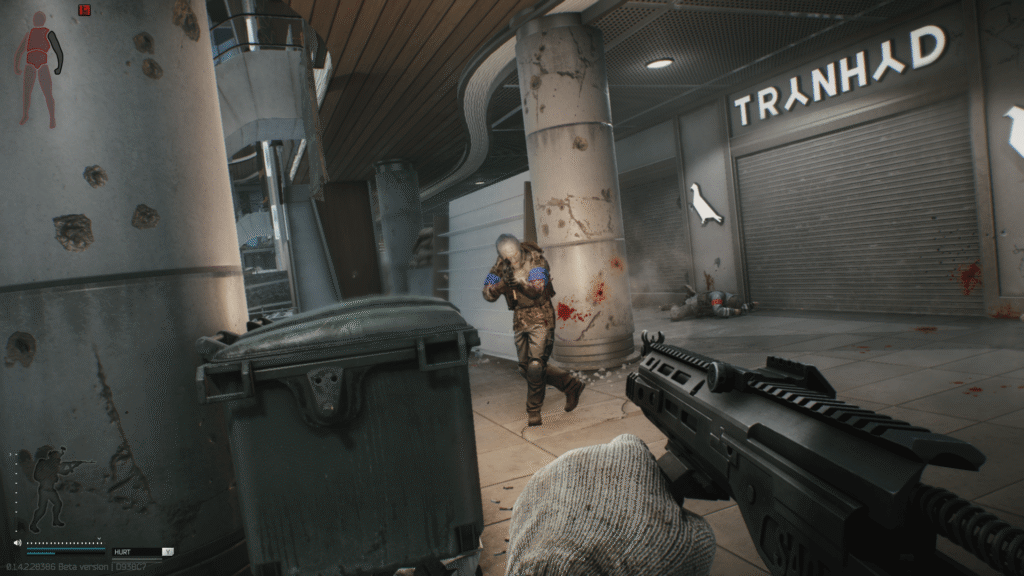
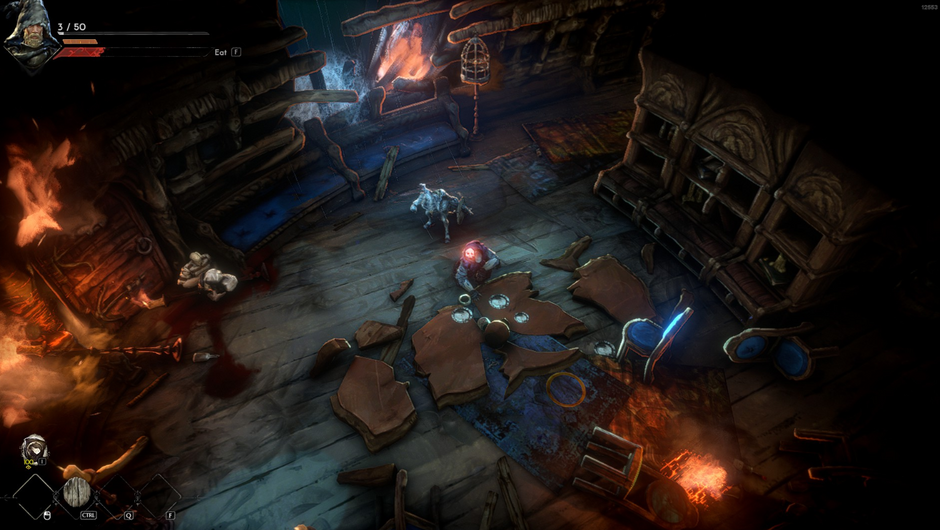
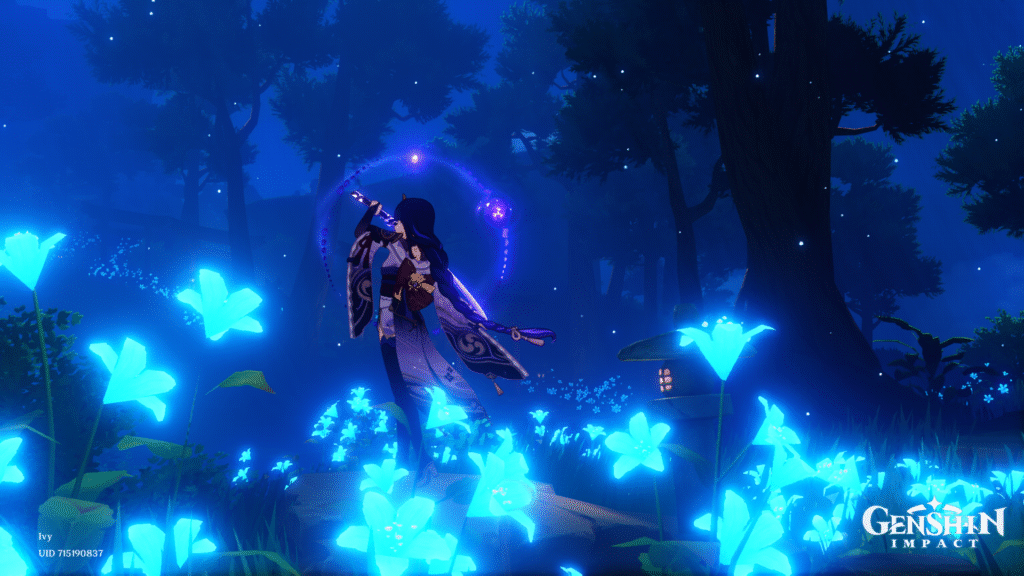
There are Unity showcases today that match (and sometimes surpass) what’s typically shown in Unreal demos. The engine is fully capable of producing AAA-quality scenes—with the right hands behind the wheel.
So why does Unreal often seem superior?
Most Unreal projects are made by professional teams with bigger budgets.A huge portion of Unity projects are made by beginners learning the basics.
The Real Deciding Factor
The visual quality of a game has always depended on the skill, vision, and expertise of the developers—not the engine.
Give a talented technical artist or lighting expert Unity, and they can produce visuals rivaling the best Unreal titles.
Give a beginner Unreal Engine, and it’s still possible to create a game that looks rough, unfinished, or outright bad.
Engines are just tools. Art quality is craftsmanship.
Conclusion: Unity Never Deserved the “Bad Graphics” Reputation
The stigma against Unity comes not from limitations in the engine, but from:
its huge, diverse user base,
the forced splash screen on low-quality games,
and the public’s tendency to judge engines instead of developers.
With:
Unity 6 removing the splash screen for free,
HDRP and URP maturing,
more professional teams embracing the engine,
Unity’s reputation is already shifting.
In the end, it’s not about Unreal vs. Unity. It’s about what the developer can do.
The engine doesn’t decide if a game looks good— the hands that use it do.